Understanding Native American Mental Health
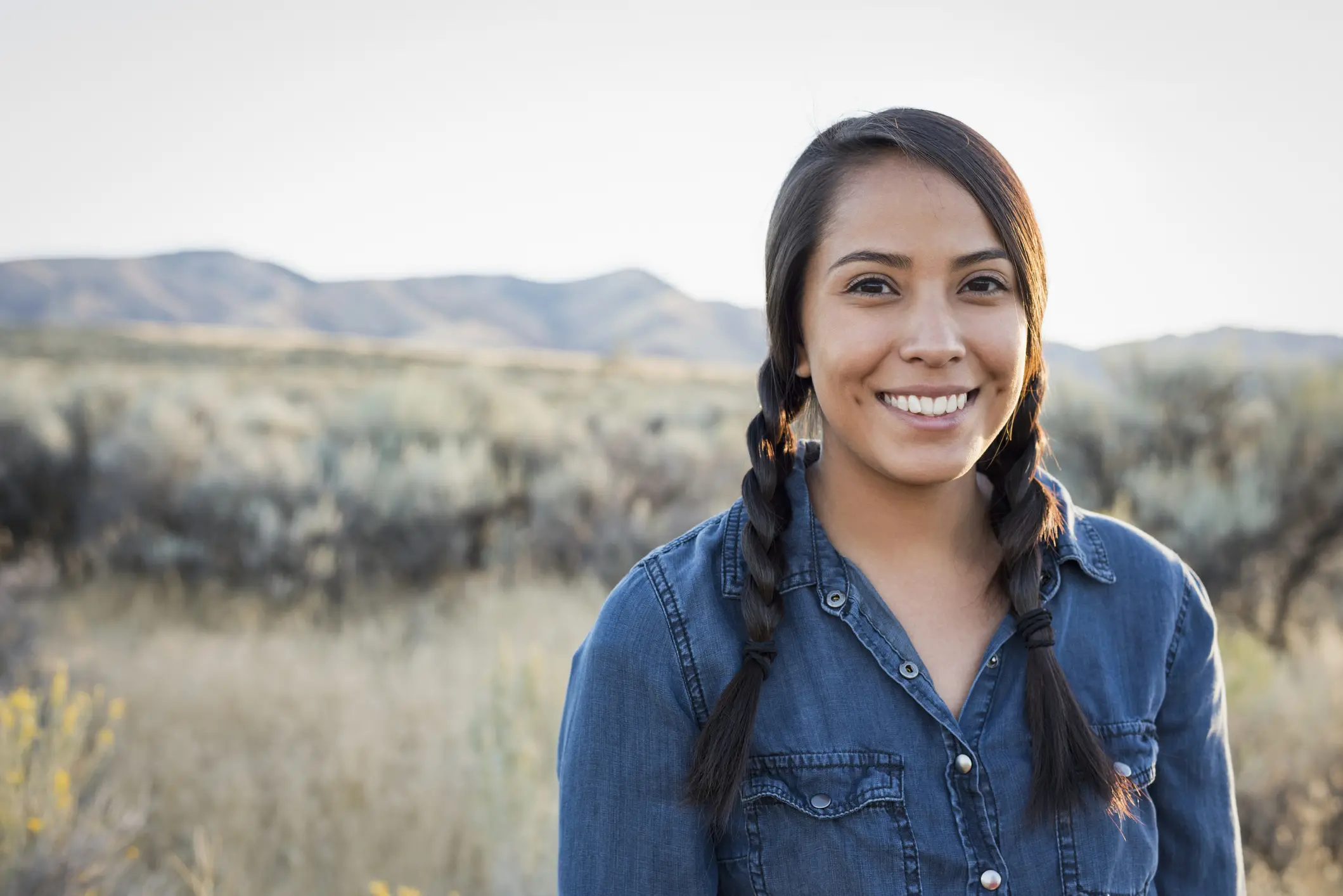
Native American communities face distinct mental health challenges. These are often shaped by factors such as generational trauma and cultural disparities. Understanding the complexities of Native American mental health requires understanding of the unique cultural and historical context that native peoples live in.
The Unique Challenges of Native American Mental Health
Native American communities encounter mental health challenges distinct from the general population. High prevalence rates of mental health disorders, including depression and anxiety, are reported. Cultural factors often influence these conditions.
Historical trauma has a profound effect on mental health. The legacy of colonization and forced assimilation remains impactful. This generational trauma creates significant emotional and psychological burdens.
Further complicating the picture are social and economic disparities. Lack of access to quality healthcare exacerbates mental health issues. Economic struggles and inadequate housing contribute to stress and anxiety.
Additionally, a sense of disconnection from cultural roots can lead to identity crises. Preserving cultural heritage is crucial for mental well-being. It provides a sense of belonging and stability.
The challenges can be summarized as follows:
- Historical trauma affecting mental health
- Socioeconomic disparities
- Cultural disconnection and identity struggles
Understanding these unique challenges is essential for providing effective support. Culturally sensitive approaches are necessary. Addressing these issues requires recognition of the specific needs and strengths of Native American communities.
Tailored mental health services that respect cultural values and traditions are vital. Such services provide more effective and compassionate care, fostering healing and resilience among Native American individuals.
Generational Trauma and Its Impact
Generational trauma refers to the emotional harm passed down from one generation to the next. In Native American communities, this trauma stems from historical injustices such as forced relocations and cultural assimilation policies. These experiences have left deep emotional scars.
This intergenerational trauma significantly impacts mental health. Individuals may experience heightened levels of anxiety, depression and post-traumatic stress disorder. These conditions can be further compounded by substance abuse and other coping mechanisms.
The effects of generational trauma often manifest in family dynamics and community interactions. It can lead to cycles of dysfunction, hindering healthy relationships and communication. Over time, these patterns can perpetuate feelings of hopelessness and isolation.
Addressing generational trauma requires acknowledging its roots and providing culturally sensitive interventions. Healing ceremonies and traditional practices can play a vital role. These approaches honor cultural heritage and promote a deeper sense of healing and reconciliation.
Mental Health Statistics and Suicide Rates Among Native Americans
Mental health issues are alarmingly prevalent in Native American communities. Statistically, Native Americans experience mental health disorders at significantly higher rates compared to the general U.S. population. These issues are deeply rooted in historical trauma and ongoing social challenges.
One of the most concerning statistics is the suicide rate among Native Americans. It is higher than any other racial or ethnic group in the United States. Alarmingly, suicide is the second leading cause of death for Native American youth aged 10-24.
Key statistics to consider include:
- Native Americans are 2.5 times more likely to experience trauma compared to other groups.
- Approximately 21% of Native Americans suffer from a diagnosable mental illness annually.
- The youth suicide rate is 2.5 times the national average.
Efforts to address these challenges must prioritize culturally appropriate mental health services. These services should integrate traditional healing practices with modern therapeutic approaches. Such integration can potentially reduce these sobering statistics and promote community wellbeing.
Indigenous Healing Practices and Mental Health
Indigenous healing practices play a crucial role in Native American mental health. These traditional methods are deeply embedded within Native cultures. They often complement standard mental health treatments.
Central to many Indigenous practices is the belief in holistic healing. This approach addresses mental, physical, emotional and spiritual needs. A balanced approach is essential for overall well-being.
Traditional healing techniques may include ceremonies, storytelling and use of herbal remedies. Each practice has unique significance and is guided by cultural values. These methods have been passed down through generations.
Incorporating these practices in modern therapy can be beneficial. It fosters a deeper connection to culture and heritage. This integration can enhance the effectiveness of mental health treatment. By valuing traditional approaches, mental health services can become more culturally sensitive and effective for Native American communities.
Access to Native American Mental Health Services
Access to mental health services for Native Americans is often limited. Geographic isolation is a significant barrier. Many Native communities are in remote areas with scarce resources.
Funding is another major issue. Many services lack adequate financial support. This underfunding affects the quality and availability of care.
To improve access, there are efforts to expand telehealth services. These can reach more individuals in isolated regions. Combining technology with culturally competent care is crucial for effectiveness.
Overcoming Barriers and Stigma
In Native American communities, stigma around mental health is a significant barrier. It can prevent individuals from seeking help. Cultural norms sometimes view mental health issues as personal or family matters.
Education is crucial in overcoming this stigma. Informing communities about mental health can challenge misconceptions. Initiatives often focus on building awareness and understanding.
Support from within the community is vital. Elders and cultural leaders can play key roles. By fostering an open dialogue, they can encourage acceptance and support for those in need.
Integrating Traditional and Conventional Approaches
Combining traditional Native American healing with conventional mental health treatments can enhance care. This holistic approach respects cultural values. It bridges the gap between Western medicine and Indigenous practices.
Traditional healers play a crucial role in this integration. They offer spiritual guidance and rituals. These can complement therapy and medication, providing balanced care.
Collaboration is essential for success. Mental health professionals must learn cultural sensitivity. Understanding and respecting Indigenous methods can lead to more effective treatments and foster trust within the community.
Practical Advice for Seeking Help
Reaching out for mental health support is an important step. Begin by contacting local tribal health services. They can provide culturally appropriate resources and guidance.
Consider exploring available Native American mental health programs. These often integrate traditional practices. They can offer a supportive community atmosphere, enhancing the healing process.
Via Linda in Arizona offers inpatient and outpatient programs for those who need help with managing their mental health, including specialized programming for those part of native communities.
Tribal communities suffer from some of the highest rates of suicide and domestic abuse across the US. Via Linda Behavioral Hospital staff interweaves Native American rituals and healing traditions with modern medicine and psychotherapy.
If you or a loved one is experiencing a mental health crisis, CALL 988 or seek the nearest emergency room.
For physical health emergencies, CALL 911 or get to the nearest emergency room.
Related Posts