Supporting First Responders: Mental Health Strategies

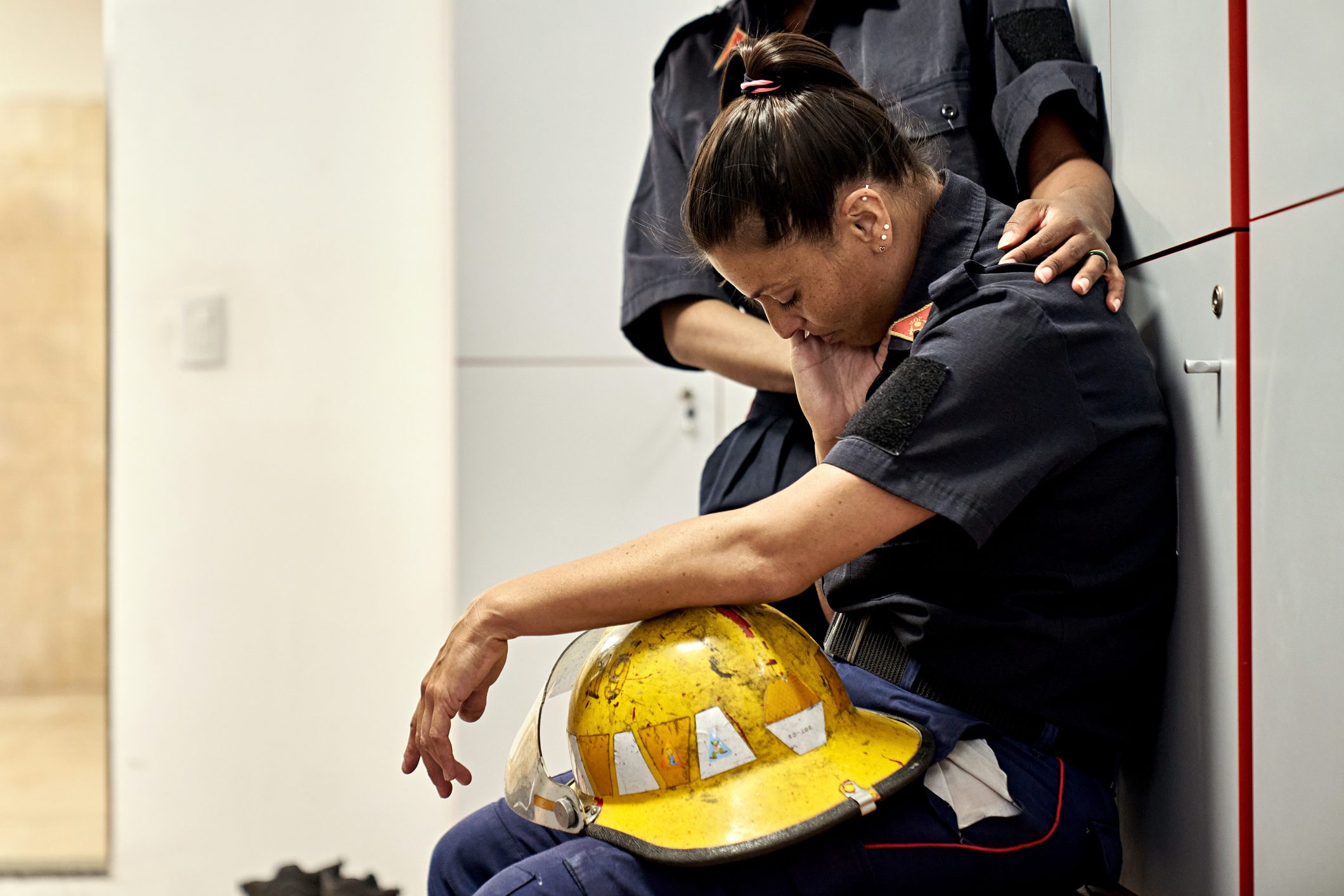
First responders are the frontline heroes who rush into emergencies when everyone else is rushing out. They are the paramedics, firefighters, police officers and emergency medical technicians (EMTs) who are trained to face danger head-on. However, the constant exposure to traumatic events can take a toll on their mental health. In this article, we’ll explore the mental health challenges faced by first responders, discuss effective strategies to support them and highlight resources available to improve their mental well-being.
Understanding the Mental Health Challenges of First Responders
First responders experience unique stressors that can significantly impact their mental health. The intense pressure of responding to critical situations, witnessing human suffering and dealing with life-and-death scenarios can lead to a range of mental health issues. According to first responder mental health statistics, these professionals are at a higher risk for conditions such as post-traumatic stress disorder (PTSD), depression, anxiety and substance abuse.
The impact of trauma
Repeated exposure to traumatic events is a major concern for first responders. The constant adrenaline rush followed by the emotional aftermath can disrupt their mental equilibrium. It’s important to recognize that trauma doesn’t just stem from one catastrophic event but can accumulate over time, leading to what is known as cumulative trauma.
Stigma and barriers to seeking help
Despite the high prevalence of mental health issues, many first responders hesitate to seek help due to stigma. The culture of toughness and self-reliance can deter them from acknowledging their struggles. Additionally, concerns about confidentiality and the potential impact on their careers can serve as barriers to accessing mental health resources for first responders.
Strategies for Supporting First Responder Mental Health
Addressing the mental health needs of first responders requires a multi-faceted approach. Here are some effective strategies that can make a difference:
Promoting mental health awareness
Increasing mental health awareness within first responder organizations is crucial. Education and training programs that focus on recognizing the signs of mental health issues, understanding the importance of seeking help and reducing stigma can empower first responders to prioritize their well-being.
Implementing peer support programs
Peer support programs involve trained first responders who provide emotional and practical support to their colleagues. These programs can create a safe space for open discussions about mental health and encourage individuals to seek help without fear of judgment.
Access to professional counseling
Providing easy access to professional counseling services is vital. Employers should offer confidential mental health resources for first responders, such as Employee Assistance Programs (EAPs), that connect them with licensed therapists who understand the unique challenges of their work.
Encouraging work-life balance
Maintaining a healthy work-life balance is essential for preventing burnout. Encouraging first responders to take regular breaks, utilize vacation time and engage in activities that promote relaxation and rejuvenation can significantly enhance their mental well-being.

Treatment Options for First Responder Mental Health
When it comes to mental health treatment for first responders, several options are available:
Cognitive Behavioral Therapy (CBT)
CBT is a widely-used therapeutic approach that helps individuals identify and change negative thought patterns and behaviors. It can be particularly effective in treating PTSD, anxiety and depression among first responders.
Eye Movement Desensitization and Reprocessing (EMDR)
EMDR is a specialized therapy designed to help individuals process traumatic memories and reduce their emotional impact. This treatment has shown promising results in treating PTSD in first responders.
Group therapy
Group therapy provides a supportive environment where first responders can share their experiences and learn coping strategies from peers. It fosters a sense of community and reduces feelings of isolation.
Medication
In some cases, medication may be prescribed to manage symptoms of mental health conditions. Antidepressants and anti-anxiety medications can be effective in alleviating symptoms and improving overall functioning.
Resources for First Responder Mental Health
There are numerous resources available to support first responders in their mental health journey. Here are a few notable ones:
- National Alliance on Mental Illness (NAMI): NAMI offers mental health support and resources for first responders and their families, including educational materials and helplines.
- Safe Call Now: A confidential, 24/7 crisis hotline specifically for first responders, Safe Call Now provides immediate access to trained professionals who understand the unique challenges faced by these individuals.
- The Code Green Campaign: This organization focuses on raising awareness about mental health issues among first responders and provides resources for seeking help.
Supporting the mental health of first responders is not just a compassionate gesture but a necessity. By understanding the challenges they face, implementing effective strategies and providing access to resources, we can encourage these heroes to receive the care they need. Mental health awareness, peer support, professional counseling and treatment options are key components in creating a supportive environment for first responders.
Via Linda Behavioral Hospital, in Scottsdale, AZ, provides specialized mental health treatment for patients who need acute inpatient psychiatric hospitalization or intensive outpatient programming. To learn more about our services, check out our services pages or schedule an assessment online.
Related Posts