Guide for Dealing With Postpartum Anxiety
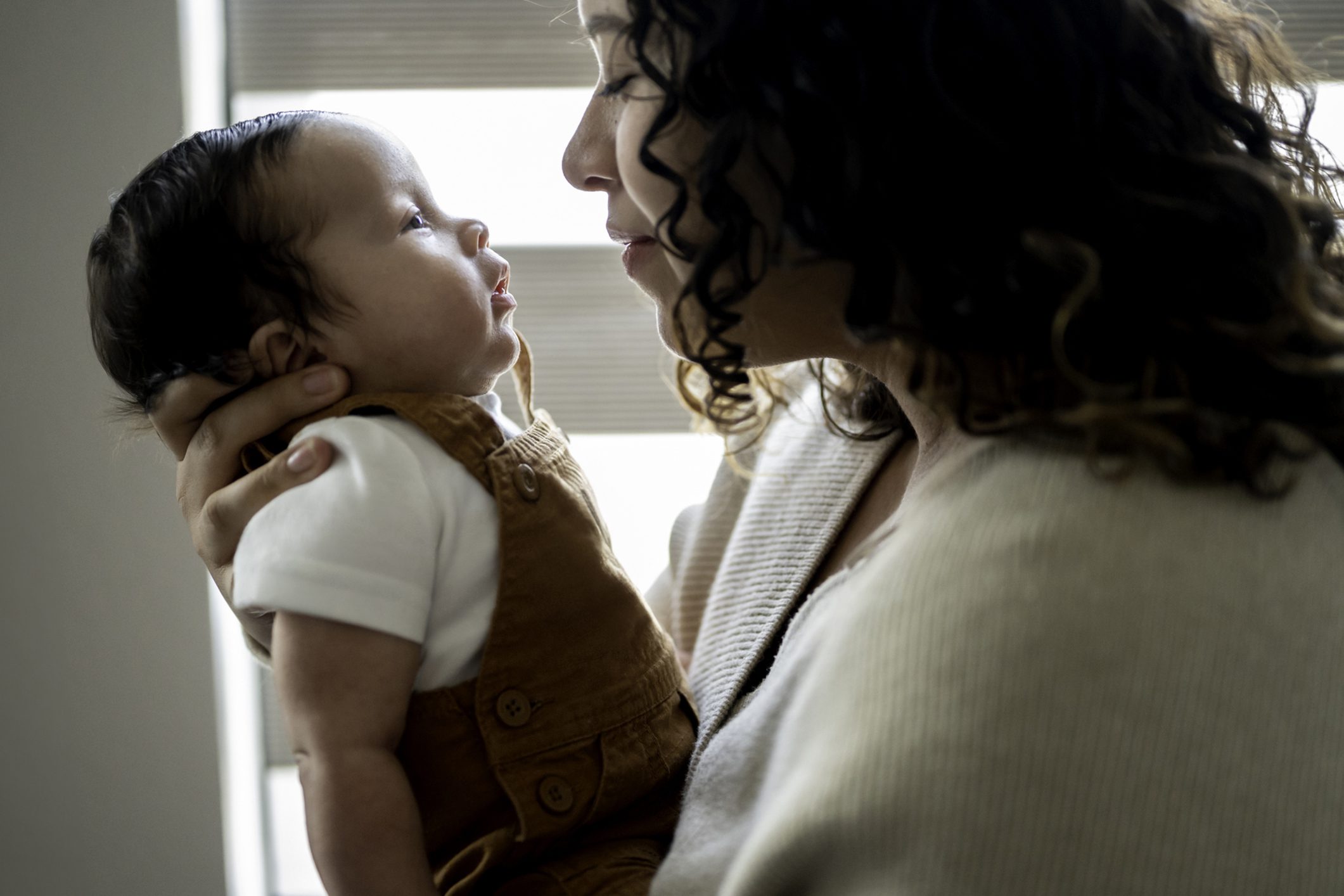
Postpartum anxiety is a common yet often misunderstood condition affecting new parents. It involves intense worry and fear that can overshadow the joys of parenthood. Unlike postpartum depression, which is more widely recognized, postpartum anxiety can be harder to identify. Many new parents with postpartum anxiety feel overwhelmed by racing thoughts and physical symptoms like dizziness. Understanding this condition is crucial for both new parents and their support network to work through feelings of postpartum anxiety.
What Is Postpartum Anxiety?
Postpartum anxiety is characterized by excessive worry occurring after childbirth. This condition can also manifest during pregnancy. It is distinct from the more commonly known postpartum depression. Typically, it involves feelings of intense anxiety and fear about the baby’s wellbeing. These feelings can significantly interfere with daily life and relationships.
New parents may experience relentless worry and an overwhelming sense of dread. This anxiety can appear without any clear trigger or warning. Some may feel anxious about their ability to care for their newborn.
Commonly, postpartum anxiety is accompanied by physical symptoms. These may include:
- Racing heartbeat
- Restlessness
- Insomnia
- Nausea
Understanding postpartum anxiety is the first step toward managing it effectively. It is vital to recognize it as a treatable medical condition, not a personal failure. Acknowledging these feelings and seeking help can greatly improve outcomes.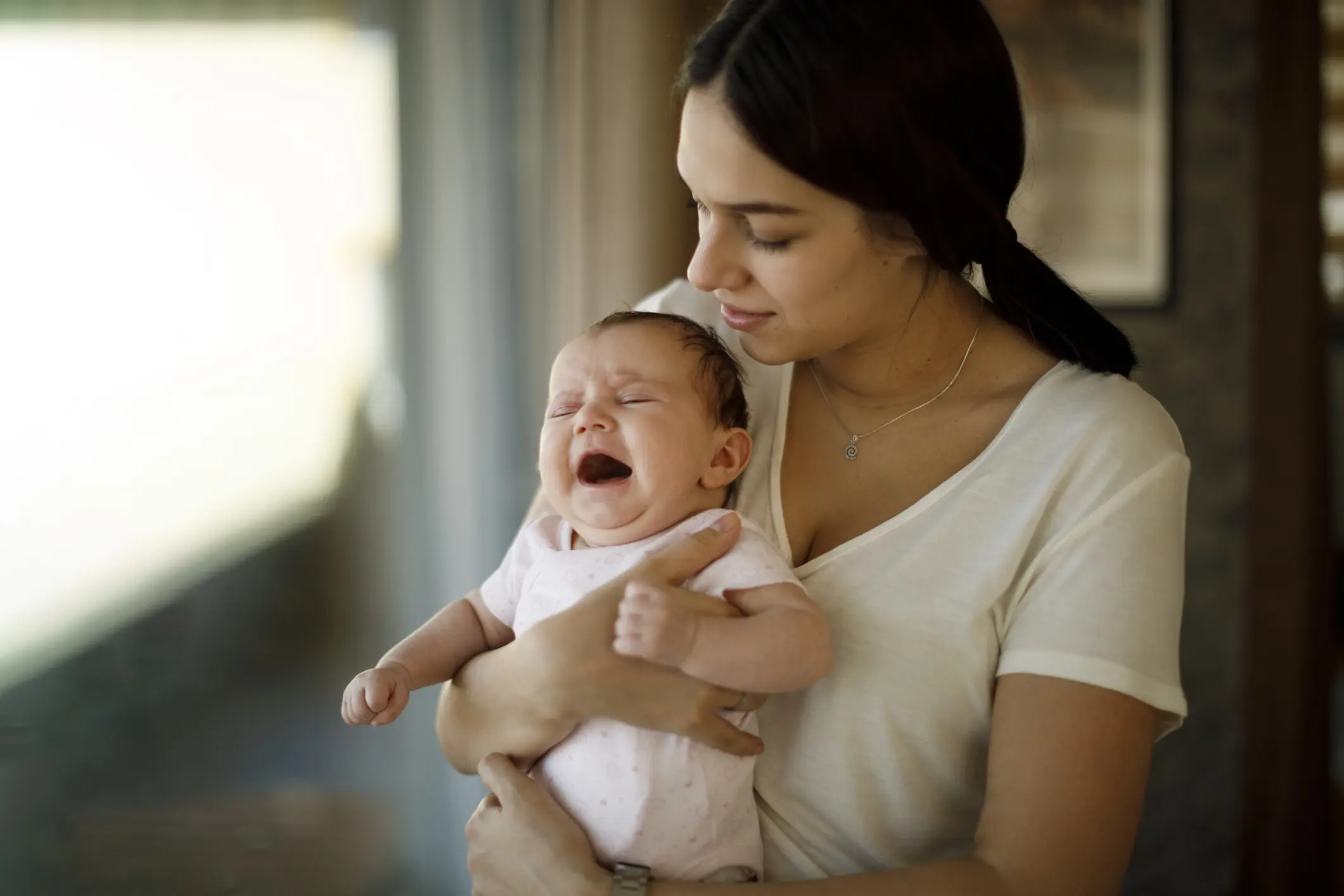
Postpartum Anxiety vs. Postpartum Depression
Postpartum anxiety and postpartum depression are often mentioned together but are distinct conditions. They can occur separately or simultaneously in new parents. Both conditions involve intense emotional challenges, yet their symptoms differ.
Postpartum anxiety primarily involves overwhelming worry and fear. It centers on perceived threats to the baby’s safety or one’s parenting abilities. Physical symptoms such as heart palpitations and restlessness may occur.
In contrast, postpartum depression involves persistent sadness and loss of interest in activities. Other symptoms might include:
- Fatigue
- Changes in appetite
- Difficulties bonding with the baby
Understanding these differences is crucial for effective diagnosis and treatment. Proper identification helps in accessing appropriate care to support both the parent and child.
Common Symptoms of Postpartum Anxiety
Recognizing postpartum anxiety symptoms can be challenging. The condition often manifests in various emotional and physical ways. Awareness of these signs is the first step toward seeking help.
Emotionally, new parents may experience relentless worry and fear. These feelings often escalate into excessive concerns about the baby’s health. Anxiety might also revolve around parenting abilities or safety issues.
Physically, postpartum anxiety can manifest through a range of symptoms such as:
- Racing heart
- Muscle tension
- Headaches
- Restlessness
- Dizziness
Racing thoughts are another common feature. This often leads to difficulty concentrating or sleeping, even when the baby is resting peacefully. Understanding these symptoms enables timely intervention, promoting recovery and well-being. If symptoms persist, seeking professional guidance is crucial.

How Long Can Postpartum Anxiety Last?
The duration of postpartum anxiety varies greatly. Some may experience symptoms for only a few weeks. For others, it may persist for several months or even longer if left untreated.
Early intervention is key to managing symptoms effectively. Timely support can prevent postpartum anxiety from lingering and help new parents regain stability.
Consulting a healthcare provider for a diagnosis and treatment plan is crucial. They can tailor a plan based on individual needs, aiming to reduce the anxiety duration. Remember, seeking help is a strong and proactive step.
Causes and Risk Factors
Various factors contribute to postpartum anxiety. One major factor is hormonal changes, which can significantly impact mood and anxiety levels after childbirth.
Several risk factors increase the likelihood of experiencing postpartum anxiety. These include:
- A personal or family history of anxiety disorders
- Recent stressful life events, such as financial or relationship difficulties
- Lack of support from family or friends
Understanding these factors can help in early identification and intervention. Knowing one’s risk factors allows for proactive steps in managing mental health during this challenging time. Always seek medical advice if concerns arise.
When To Seek Help
Recognizing when to seek help is crucial. If symptoms disrupt daily life or persist, professional support is essential. Early intervention can prevent further complications.
Consider contacting a healthcare provider if you experience:
- Constant and overwhelming worry
- Inability to care for yourself or the baby
- Persistent feelings of dread or panic
Addressing these symptoms promptly can aid in recovery and help well-being for both caregiver and baby.

Postpartum Anxiety Disorder Treatment Options
Postpartum anxiety disorder treatment is tailored to individual needs. Options vary based on severity and personal preferences. A combination of treatments is often effective.
Therapy is a common choice. Cognitive behavioral therapy (CBT) focuses on changing negative thought patterns. This approach is known to effectively reduce anxiety symptoms.
Medication may also be necessary for some. Antidepressants or anti-anxiety medications can help stabilize mood. A healthcare provider can help recommend a suitable option.
In addition to therapy and medication, consider joining a support group. Sharing experiences with others can provide comfort and perspective. Emotional support from peers helps new parents feel less isolated.
Lifestyle adjustments are also vital. Maintaining a healthy diet and exercise routine supports overall mental health. These changes can complement professional treatment and lead to better outcomes. Consulting a healthcare provider ensures a comprehensive treatment plan tailored to unique needs and circumstances.
Self-Care and Coping Strategies
Engaging in self-care can significantly improve mental well-being. Practicing mindfulness or meditation can reduce stress levels. These practices promote calmness and focus.
Regular physical activity is another key strategy. Exercise releases endorphins which enhance mood and energy. Even a short daily walk can be beneficial.
Here are some practical self-care tips:
- Prioritize adequate sleep
- Establish a daily routine
- Eat balanced, nutritious meals
Connecting with others is also important. Reach out to friends or family for support. Social interactions can provide comfort and mitigate feelings of isolation. Prioritizing self-care can enhance emotional health and support recovery.
Supporting a Loved One With Postpartum Anxiety
Supporting someone with postpartum anxiety requires patience and understanding. It’s crucial to be a source of comfort and reassurance.
Here are some ways to provide support:
- Listen without judgment
- Encourage seeking professional help
- Offer practical assistance with daily tasks
By being empathetic and proactive, you can help your loved one feel valued and supported.
Postpartum anxiety is manageable with the right approach and support. Early recognition and treatment can lead to a successful recovery.
Reach out to healthcare providers, explore online resources, and connect with support groups. Remember, seeking help is a sign of strength, and recovery is possible with the right support.
Via Linda Behavioral Hospital, in Scottsdale, AZ, provides specialized mental health treatment for patients who need acute inpatient psychiatric hospitalization or intensive outpatient programming. To learn more about our services, check out our services pages or schedule an assessment online.
Related Posts