A Guide to Anxiety Disorders in Women
Anxiety disorders affect millions of women worldwide. They often face unique challenges due to biological and societal factors. Understanding these disorders is crucial for effective management and support.
Women experience anxiety differently than men. Hormonal changes and life stages can influence their symptoms. This guide explores these differences and offers insights into treatment options.
Recognizing symptoms early can lead to better outcomes. Women may experience both physical and emotional symptoms. Identifying these signs is the first step toward recovery.
Treatment options vary, from therapy to lifestyle changes. Each woman’s journey is unique, requiring personalized approaches. This guide provides practical advice for managing anxiety.
Support from family and friends is vital. Encouragement and understanding can make a significant difference. Together, we can help women navigate their anxiety challenges.
Understanding Anxiety Disorders in Women
Anxiety disorders are a common mental health issue. They can impact daily activities and relationships. Women tend to experience these disorders more often than men.
Several types of anxiety disorders affect women. These include generalized anxiety disorder, panic disorder and social anxiety disorder. Each type has unique characteristics and challenges.
Hormones play a significant role in women’s anxiety levels. Fluctuations during menstrual cycles, pregnancy and menopause can influence anxiety. These biological factors make women more vulnerable to anxiety disorders.
The societal expectations placed on women also contribute. Balancing work, family and social responsibilities can be stressful. Key factors affecting anxiety in women include:
- Hormonal changes
- Societal pressures
- Life transitions
Understanding these factors is essential for effective anxiety management in women.
Why Are Anxiety Disorders More Common in Women?
The prevalence of anxiety disorders is notably higher in women. This disparity is due to various biological, psychological and social factors.
Hormonal fluctuations significantly impact women’s mental health. Changes during menstruation, pregnancy and menopause can increase anxiety levels. These hormonal shifts are unique to women, contributing to higher anxiety rates.
Furthermore, societal expectations and pressures often weigh more heavily on women. Balancing multiple roles can be overwhelming. Key reasons for the increased prevalence of anxiety in women include:
- Hormonal changes
- Role overload
- Chronic stress
Recognizing these factors helps in understanding and addressing anxiety disorders in women.
Symptoms of Anxiety in Women
Anxiety manifests in various ways, affecting women both physically and emotionally. Recognizing these symptoms is crucial for effective management and treatment.
Women often experience excessive worrying and an inability to relax. This chronic stress can lead to a range of symptoms:
- Difficulty concentrating
- Irritability
- Sleep disturbances
Anxiety can also impact social interactions, leading to isolation. Women may withdraw from social activities and relationships due to their anxiety. Identifying symptoms early enables timely intervention and support.
Physical symptoms of anxiety in women
Physical symptoms often accompany anxiety, providing additional clues to its presence. These symptoms can be pervasive and affect daily functioning.
Common physical symptoms include:
- Headaches
- Muscle tension
- Gastrointestinal disturbances
These symptoms may vary in intensity but are often persistent, signaling the need for attention and care.
Emotional and behavioral symptoms
Emotionally, anxiety may cause heightened feelings of fear and unease. Behaviorally, it can lead to avoidance actions.
Key emotional and behavioral symptoms include:
- Persistent worry
- Avoidance of triggering situations or places
- Panic attacks
Understanding these symptoms is a first step in seeking help and finding effective coping strategies.
Anxiety in Men vs Women: Key Differences
Anxiety disorders present differently across genders. Women are more likely to internalize their symptoms, often leading to persistent worry and depression. Men, on the other hand, may exhibit more outward signs such as anger and irritability.
Research highlights several key differences:
- Women tend to report higher anxiety levels.
- Men may underreport due to societal norms.
- Women often experience anxiety alongside depression.
Understanding these distinctions helps in crafting tailored treatment plans. This gender-based awareness helps to ensure more effective support for both women and men.
Anxiety in Pregnant Women and Across Life Stages
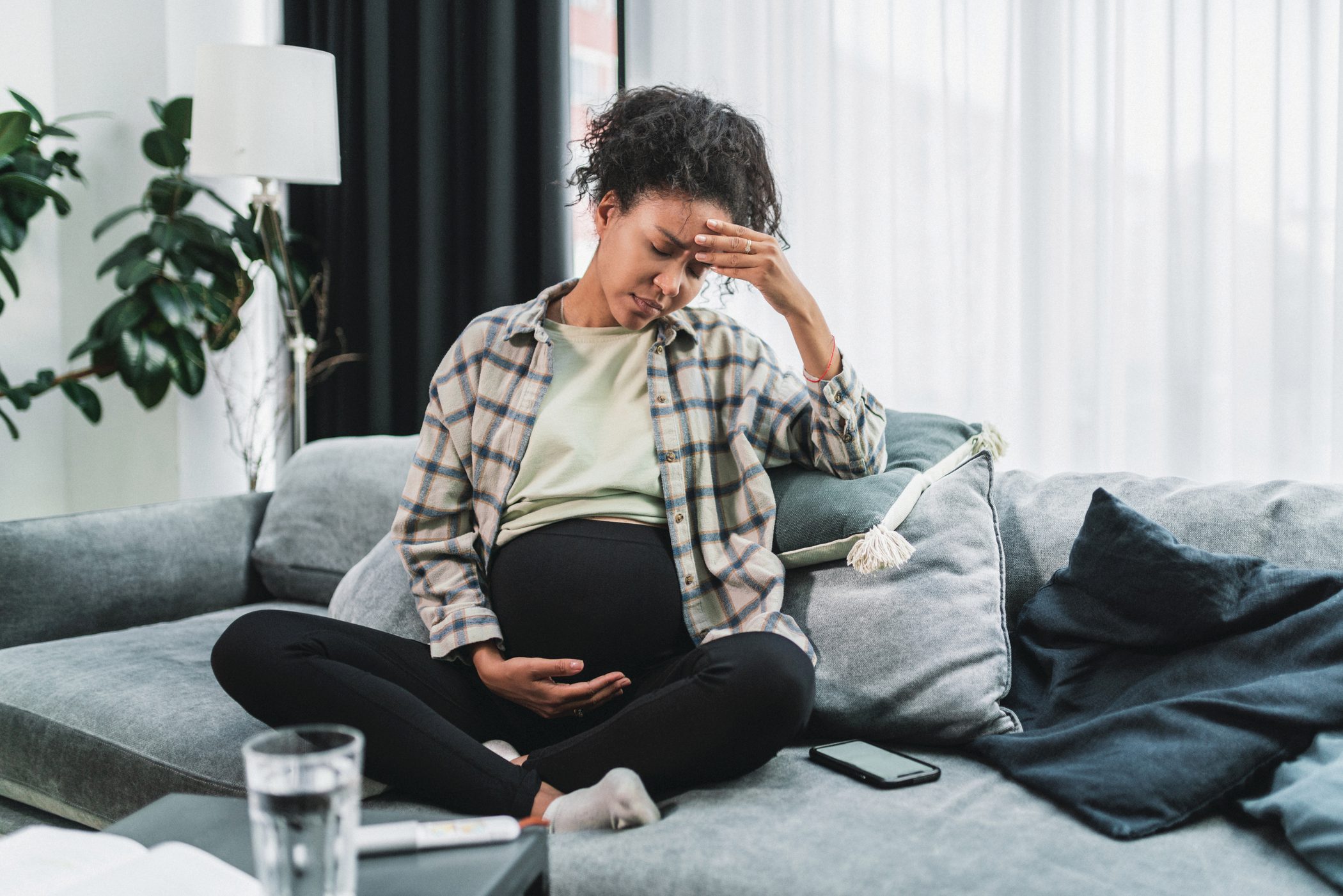
Pregnancy can significantly impact anxiety levels in women. Hormonal changes and physical demands may heighten anxiety. Pregnant women often experience specific concerns about the health of their baby and childbirth.
Anxiety can manifest differently across a woman’s life. Menstrual cycles, pregnancy and menopause all influence anxiety disorders. These life stages bring unique challenges that require tailored support.
Addressing anxiety during these times involves understanding triggers and stressors. Support systems and treatment options should adapt to these varied needs.
- Pregnancy-related fears
- Hormonal fluctuations
- Menopause-related anxiety
This holistic approach promotes mental well-being throughout a woman’s life.
Common Triggers and Risk Factors for Women
Several factors can trigger anxiety disorders in women. Common stressors include balancing work, family responsibilities and societal expectations. Hormonal shifts also contribute, affecting mental health.
Specific risk factors further increase anxiety likelihood. These include genetic predisposition and traumatic life events. Understanding these elements is crucial.
- Work-life balance stress
- Hormonal changes
- Genetic predisposition
- Traumatic experiences
Awareness and proactive management of these triggers can aid in reducing anxiety. Recognizing these patterns helps women and healthcare providers craft effective treatment strategies.
Anxiety Treatment for Women: Options and Approaches
Treating anxiety in women requires a tailored approach. Cognitive-behavioral therapy (CBT) is widely recommended. This therapy helps women change negative thought patterns.
Medications are another vital option. Selective serotonin reuptake inhibitors (SSRIs) are often prescribed. These medications help manage symptoms effectively.
Lifestyle changes support treatment outcomes. Regular exercise and a balanced diet enhance mental health. Adequate sleep is crucial for recovery.
Mindfulness and relaxation techniques can further reduce anxiety. Practices like yoga and meditation promote calmness. Social support from friends and family also plays a key role.
Effective treatment often combines multiple methods:
- CBT and therapy
- SSRIs and other medications
Lifestyle modifications enhance anxiety management:
- Regular physical activity
- Balanced nutrition and sleep
- Mindfulness practices
Practical Tips for Managing Anxiety
Managing anxiety involves practical daily strategies. Implementing small changes can lead to significant improvements. Begin with consistent routines to foster stability.
Incorporate relaxation into your day. Allocate moments for stillness and reflection. These moments can restore balance and reduce stress.
Here are some effective strategies to consider:
- Practice deep breathing exercises.
- Engage in regular physical activity.
- Maintain a balanced diet with nutritious foods.
- Cultivate a regular sleep schedule.
By adopting these techniques, women can better manage anxiety. Over time, these practices can transform stress responses and promote well-being.
When and How to Seek Help
Recognizing when to seek help for anxiety is vital. Persistent anxiety interfering with daily life signals the need for professional support. Effective treatment begins with reaching out.
Consider seeking help if you experience any of the following:
- Anxiety symptoms persist for weeks.
- Daily tasks become overwhelming.
- Relationships suffer due to anxiety.
Seeking professional guidance can lead to effective management of anxiety. Early intervention often results in better outcomes and improved quality of life.
Supporting women with anxiety requires empathy and understanding. Encouragement and a listening ear can make a world of difference. Staying informed and connected is crucial.
Educating yourself and others about anxiety reduces stigma. This fosters an environment where women feel safe seeking help. Together, we can create supportive communities for women facing anxiety disorders.
Via Linda Behavioral Hospital, in Scottsdale, AZ, provides specialized mental health treatment for patients who need acute inpatient psychiatric hospitalization or intensive outpatient programming. To learn more about our services, check out our services pages or schedule an assessment online.
Related Posts