Recognizing Depression in Veterans
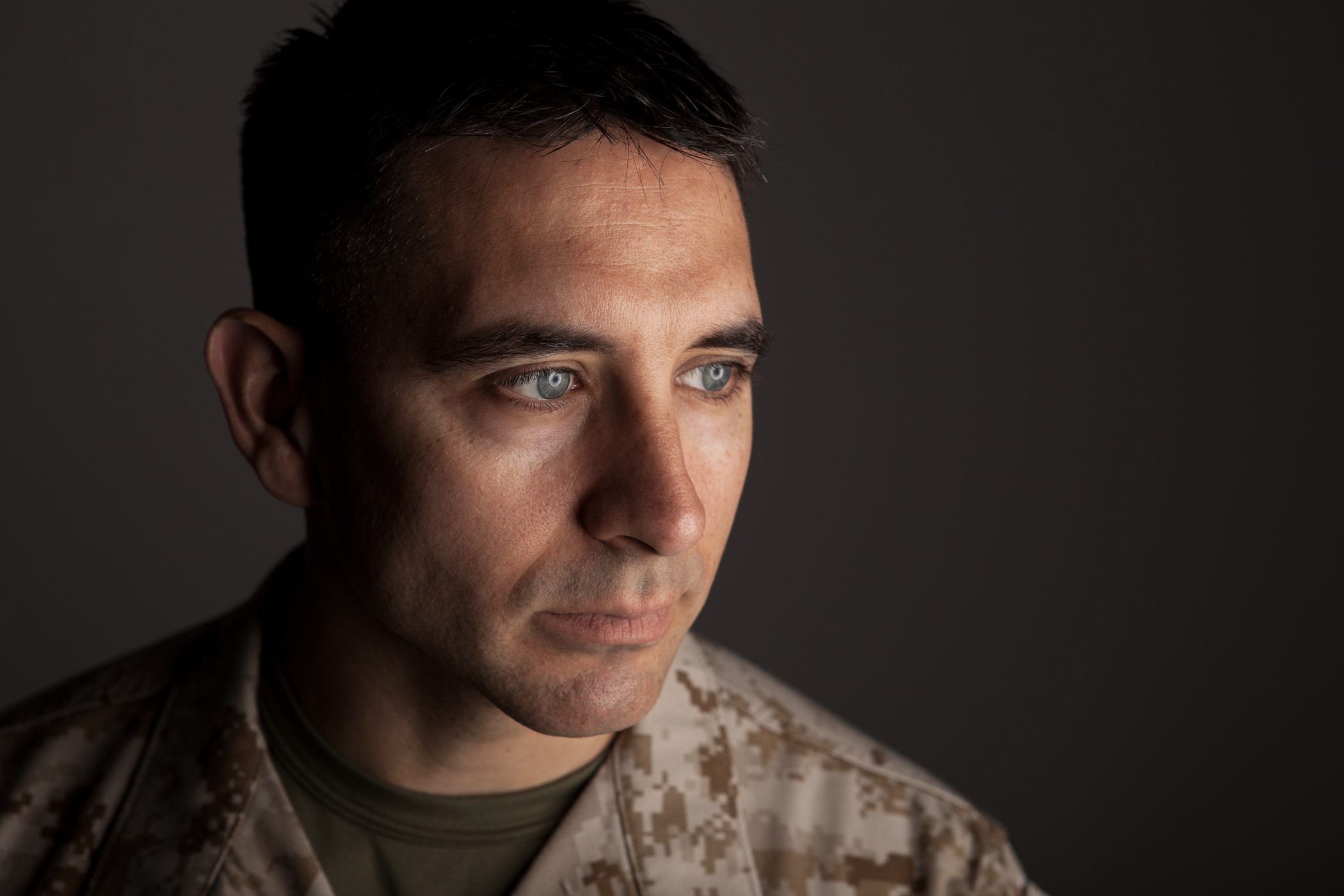
Depression in veterans is a pressing issue that demands attention and understanding. Many veterans face unique challenges that can lead to mental health struggles. Recognizing the signs of depression is crucial for timely intervention.
Veterans often experience stressors that civilians may not fully grasp. These can include combat exposure, PTSD and the transition to civilian life. Military culture sometimes discourages seeking help, which can worsen depression.
Family members play a vital role in identifying depression in veterans. They can encourage their loved ones to seek professional help. Understanding the symptoms and causes of depression is the first step.
Treatment options are available and effective. Therapy, medication and support groups can make a significant difference. The Department of Veterans Affairs offers specialized mental health services for veterans.
By fostering open communication and reducing stigma, we can support veterans in their mental health journey.
Understanding Depression in Veterans
Depression in veterans is a multifaceted mental health challenge. Various factors contribute to its development, and comprehending these is vital for effective support.
Military service often involves exposure to traumatic events. Such experiences can lead to chronic stress and mood disorders. Transitioning to civilian life compounds these challenges, as it requires adapting to new routines and roles.
Family and friends may notice specific signs that indicate depression. Some symptoms include persistent sadness and a lack of interest in once-enjoyed activities. Changes in sleeping patterns or appetite are also common indicators.
A supportive network is crucial for veterans dealing with depression. Family members can play a significant role in encouraging treatment. Open discussions about mental health can foster understanding and empathy.
The Department of Veterans Affairs provides tailored support. These services range from therapy and counseling to medical treatments. Understanding the available resources is key to helping veterans manage their mental health effectively. By recognizing the unique aspects of veteran depression, we can offer better support and care.
Signs and Symptoms of Depression in Veterans
Recognizing depression in veterans requires awareness of certain signs and symptoms. These symptoms may differ in intensity and duration, but some commonalities exist.
Behavioral changes are often the first indicators. Veterans might withdraw from social activities or hobbies. They may also display irritability or mood swings.
Emotional symptoms include persistent feelings of sadness or hopelessness. Veterans may feel overwhelmed by guilt or shame related to their service experiences.
Physical symptoms frequently accompany emotional distress. These might include fatigue or difficulty sleeping. Changes in eating habits, either overeating or loss of appetite, can also occur.
Symptoms can often manifest cognitively. Veterans might experience trouble focusing or memory issues. Decision-making can become challenging due to persistent mental fog.
It’s important to note that these symptoms can overlap with other conditions. PTSD, anxiety and depression often co-exist in veterans. This makes accurate diagnosis essential for effective treatment.
Family members and friends should remain vigilant. If these signs are present, it’s crucial to encourage seeking professional help. Early intervention can significantly improve outcomes. Understanding these symptoms helps support veterans through their mental health journeys.
Unique Causes and Risk Factors for Veteran Depression
Depression in veterans often stems from unique causes linked to their service experiences. Understanding these factors can provide insight into their mental health challenges.
Combat exposure is a significant contributor. Intense and prolonged stress during service can lead to long-term emotional impacts. Experiences on the battlefield often leave lasting scars.
Transitioning to civilian life is another hurdle. Veterans frequently encounter challenges adjusting to life outside the military structure. This transition can strain their mental health and lead to feelings of isolation.
Physical injuries sustained during service can also play a role. Traumatic brain injuries and chronic pain often correlate with mood disorders. The physical challenges add an additional layer of stress.
Several specific risk factors may exacerbate depression in veterans:
- Exposure to combat or traumatic events
- Difficulties transitioning to civilian life
- Sustained physical injuries during service
- Lack of social support and community
These factors highlight the need for targeted support and understanding. Recognizing and addressing these causes and risk factors can facilitate more effective treatment strategies.
The Impact of Military Culture on Mental Health
Military culture can significantly influence veterans’ mental health. The emphasis on toughness and self-reliance often shapes how they handle personal struggles. This mindset might discourage seeking help.
The stigma around mental health in the military can further hinder treatment. Many veterans fear appearing weak or being judged by peers. This fear can lead to untreated depression and other issues.
These cultural elements can result in veterans suffering in silence. The reluctance to show vulnerability can delay diagnosis and intervention. Understanding these cultural impacts is crucial for providing effective support. Awareness of these factors can lead to more compassionate and informed care.
Key cultural factors affecting mental health include:
- Strong emphasis on resilience
- Stigma around seeking mental health support
- Fear of judgment or appearing weak
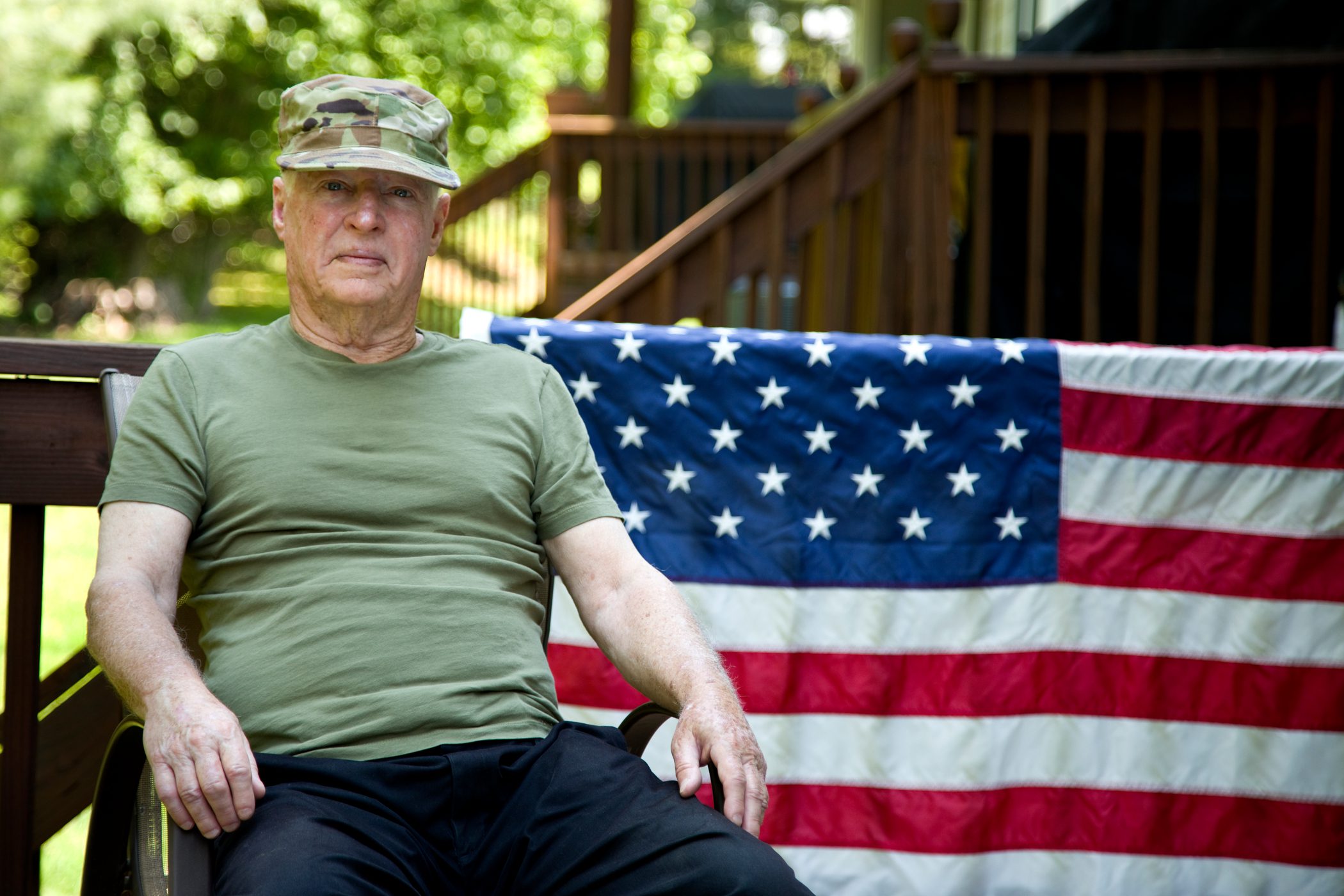
Challenges Veterans Face in Seeking Help
Veterans often encounter numerous obstacles when trying to access mental health care. Geographic barriers can make attending appointments difficult. This is particularly true for those living in rural areas.
In addition to location issues, financial constraints can hinder treatment. Some veterans lack sufficient insurance coverage or face high costs. This financial burden can be overwhelming and discouraging.
Awareness of available services is another significant challenge. Many veterans aren’t informed about the support options they have. This lack of information can delay seeking help.
Addressing these challenges is essential. Overcoming these barriers can help veterans to receive the care they deserve.
How to Help a Veteran With Depression
Supporting a veteran with depression requires patience and understanding. It’s vital to approach them with empathy and without judgment. Encouraging open conversations about mental health is a good starting point.
Family members should learn to recognize the signs of depression. Being informed can enable you to provide the right support at the right time. Keep in mind that depression can manifest in various ways.
Practical support can also make a significant difference. Helping with daily tasks and responsibilities can relieve stress for the veteran. This practical assistance can provide some relief and stability.
Encouragement is key in promoting positive changes. Inspire the veteran to pursue activities that bring joy and a sense of purpose. Supporting them in setting and achieving realistic goals can build confidence.
Ways to support a veteran:
- Be patient and listen without judgment
- Help with daily tasks to reduce stress
Encouraging professional help is crucial. Guide them toward seeking therapy or joining support groups. Ultimately, being a consistent source of support is invaluable for veterans on their journey to recovery.
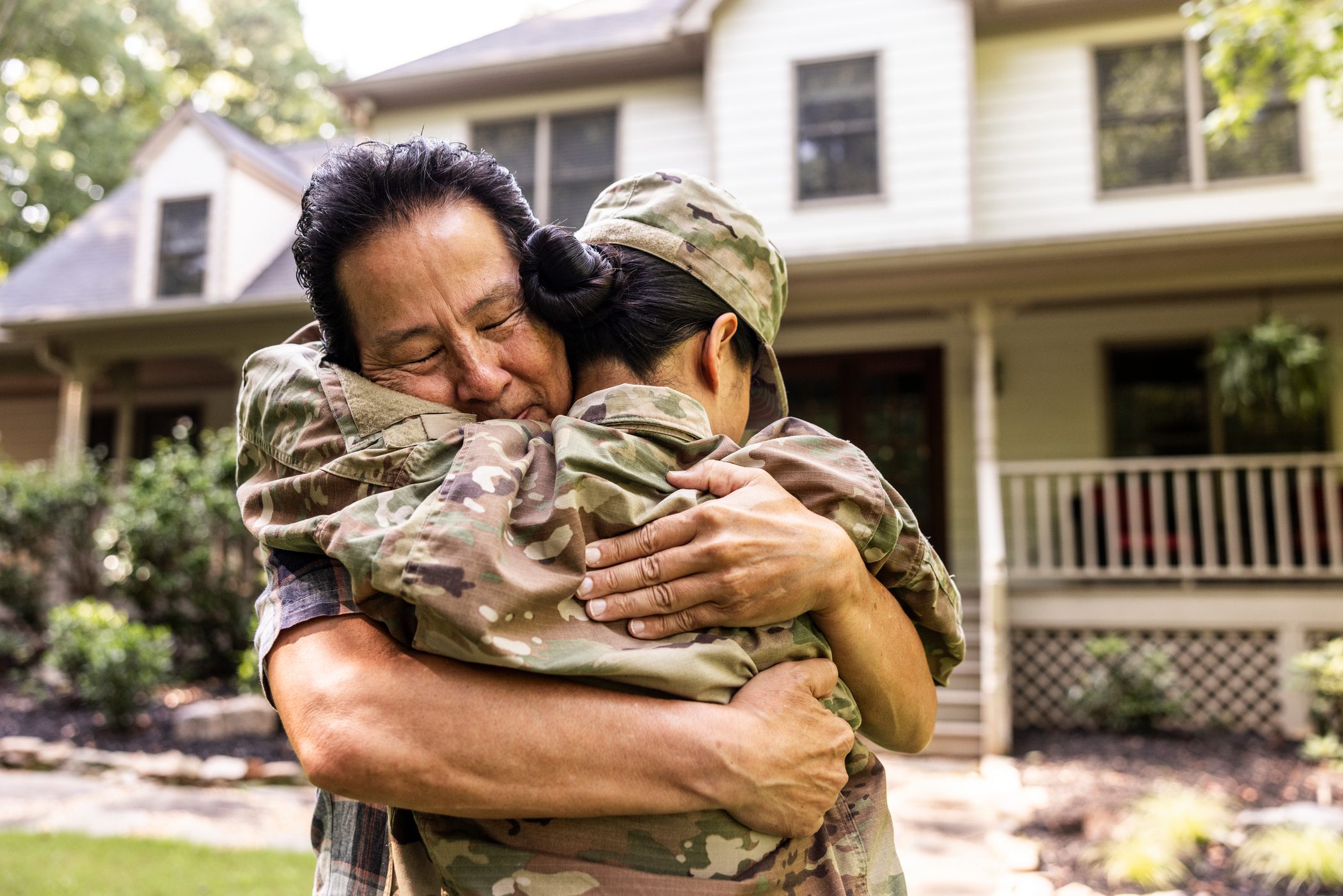
Treatment Options and Military Mental Health Services
Veterans dealing with depression have access to various treatment options. These options range from medication and therapy to alternative approaches. Tailoring treatment to individual needs can enhance effectiveness.
Cognitive Behavioral Therapy (CBT) is widely used to treat depression in veterans. This evidence-based approach helps manage negative thoughts and behaviors. It has proven success in improving mood and mental health.
The Department of Veterans Affairs (VA) offers a comprehensive array of services. Veterans can access care at VA hospitals and clinics nationwide. These services are designed to address the unique needs of veterans.
In addition to traditional treatments, some veterans benefit from alternative therapies. Music therapy, art therapy and animal-assisted therapy are growing in popularity. These methods can provide therapeutic benefits in a non-traditional manner.
Available military mental health services:
- Therapy (CBT, group therapy)
- Medication (antidepressants)
Alternative treatment approaches:
- Art and music therapy
- Peer support groups
Access to these resources can significantly aid recovery. Veterans should utilize the services tailored specifically for them. A holistic treatment plan often yields the best results in overcoming depression.
Supporting Family Members and Caregivers
Family members play a crucial role in supporting veterans with depression. Understanding and empathy are key to this support. Equipping family members with resources can enhance their ability to help.
Caregivers often face their own challenges. Balancing their mental health while providing care is essential. Prioritizing self-care and seeking support from others is vital.
Strategies for family members and caregivers include:
- Educating themselves about depression
- Encouraging open communication
- Practicing active listening
Family support can significantly impact a veteran’s recovery journey. Building a network of support benefits both the veteran and their caregivers. Together, they can navigate the challenges of depression with strength and resilience.
Self-Care and Coping Strategies for Veterans
Veterans can benefit greatly from self-care practices. Incorporating these strategies into daily life can help manage stress and improve mental health. Building a routine of healthy habits is a key part.
Specific strategies include:
- Regular physical exercise
- Balanced, nutritious meals
- Practice of mindfulness and relaxation techniques
Engaging in activities that bring joy can also be therapeutic. Whether it’s a hobby or simply spending time in nature, these activities are important. Understanding personal stress triggers and learning coping mechanisms can empower veterans in their journey to mental wellness.
Addressing depression in veterans requires overcoming stigma and promoting open dialogue. Encouraging veterans to share their experiences can foster understanding and healing.
Empathy and support are vital in breaking down barriers to seeking help. By promoting awareness and acceptance, we pave the way for better mental health outcomes. This collective effort empowers veterans and their families to navigate the path toward recovery and resilience. Supporting veterans in their mental health journey strengthens our community as a whole.
Via Linda Behavioral Hospital, in Scottsdale, AZ, provides specialized mental health treatment for patients who need acute inpatient psychiatric hospitalization or intensive outpatient programming. To learn more about our services, check out our services pages or schedule an assessment online.
Related Posts