Veteran Mental Health: Commonly Treated Disorders
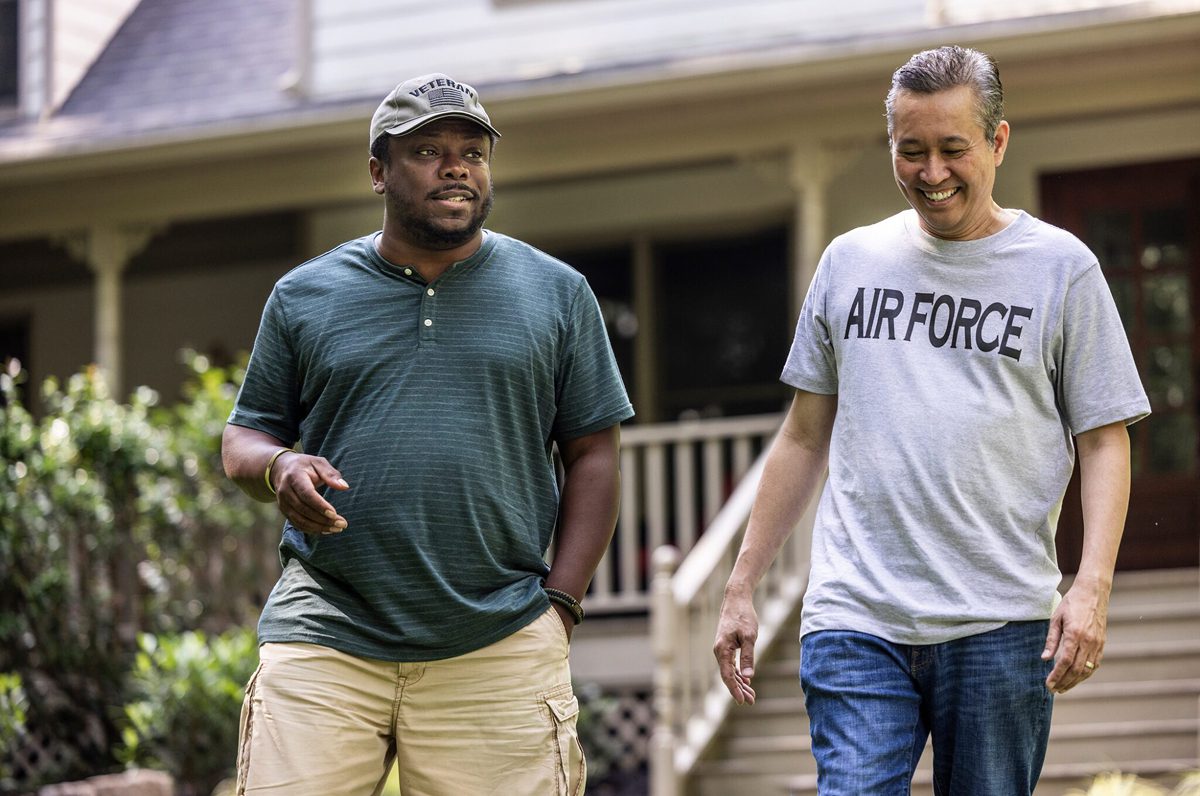
Veterans put their lives on the line protecting our country and well-being, but who cares for them when mental health challenges arise?
Veteran mental health is a serious, yet often disregarded, concern. The unique challenges faced by those with military experience, including exposure to combat, long deployments and the stress of military life, can lead to long-lasting mental health challenges including PTSD, depression, substance abuse and more.
Find out how these mental health disorders affect veterans — and what we can do to support them.
Common Veteran Mental Health Challenges
Did you know that veterans are at a higher risk of developing mental health disorders? In a given year 7% of veterans experience PTSD, a rate slightly higher than civilians. Furthermore, deaths by suicide among veterans and active-duty service members have risen in recent years. The stressors of deployment, combat exposure and the transition to civilian life can all contribute to mental health issues.
Some of the most common disorders among military personnel and veterans include Post-Traumatic Stress Disorder (PTSD), depression, anxiety and substance abuse.
Veterans and PTSD
Post-Traumatic Stress Disorder (PTSD) is one of the most prevalent mental health issues among veterans. It is a condition triggered by experiencing or witnessing a traumatic event, and it is characterized by symptoms such as flashbacks, nightmares, severe anxiety and uncontrollable thoughts about the event.
Veterans and depression
Depression is a significant mental health challenge that many veterans face, often stemming from their unique military experiences. The transition from active duty to civilian life can be particularly difficult, leaving veterans feeling isolated and disconnected.
Symptoms of depression may include persistent sadness, loss of interest in activities, changes in appetite and difficulty concentrating. These feelings can be exacerbated by trauma, the stress of reintegration into civilian life and the stigma surrounding mental health within the military community.
Veterans and anxiety
Anxiety is a significant and often debilitating mental health condition that many veterans experience, stemming from their exposure to high-stress situations during military service. This heightened state of alertness and constant worry can be triggered by various factors, including combat experiences, the transition to civilian life and the challenges of reintegration into society.
Veterans may experience symptoms such as excessive nervousness, restlessness, rapid heartbeat and difficulty concentrating. These symptoms can significantly impact daily functioning and quality of life, leading to avoidance behaviors and social withdrawal. Additionally, the stigma surrounding mental health issues in the military may prevent veterans from seeking help, exacerbating their anxiety.
Veterans and substance abuse
Substance abuse is another significant issue among veterans. Many veterans turn to alcohol or drugs as a way to cope with their mental health issues. The U.S. Department of Veterans Affairs (VA) reports that more than 11% of veterans who visit VA healthcare facilities have a substance use disorder.
Treatment Options for Military Mental Health Disorders
There are various treatment options available for veterans and military personnel dealing with mental health disorders. These treatments aim to alleviate symptoms, improve quality of life and provide coping strategies for managing the conditions.
Psychotherapy
Psychotherapy, or talk therapy, is one of the most effective treatments for mental health disorders. Cognitive Behavioral Therapy (CBT) is particularly effective for treating PTSD and depression. It helps people identify and change negative thought patterns and behaviors.
Medication
Medications can be an essential component of treatment for mental health disorders. Antidepressants, such as SSRIs and SNRIs, are commonly prescribed for depression and anxiety. For PTSD, medications like Prazosin can be used to reduce nightmares and hyperarousal symptoms.
Veteran Mental Health Services
The VA offers a range of mental health services specifically for veterans. These services include individual and group therapy, medication management and support groups. The VA also provides specialized programs for PTSD, substance abuse and depression.
Support Groups and Peer Support
Support groups can be beneficial for veterans dealing with mental health issues. These groups provide a comfortable space for veterans to share their experiences and support each other.
Peer support programs, such as those offered by the VA, connect veterans with other veterans who have experienced similar challenges, fostering a sense of camaraderie and understanding.
Holistic and Alternative Therapies
In addition to traditional treatments, some veterans find relief through holistic and alternative therapies. Practices such as yoga, meditation and acupuncture can help reduce stress and promote relaxation. These therapies can be used in conjunction with other treatments to enhance overall well-being.
Advice for Finding Mental Health Treatment
If you are or know a veteran who is struggling with mental health issues, it may be time to seek professional help. Here are some practical steps to take:
- Reach Out for Help: Contact your local VA facility or a mental health professional to discuss your symptoms and treatment options.
- Educate Yourself: Learn about the different mental health disorders and their treatments to make informed decisions about care.
- Create a Support System: Surround yourself with friends, family and support groups who can provide encouragement and understanding.
- Stay Committed to Treatment: Consistency is key in managing mental health disorders. Attend therapy sessions regularly and take medications as prescribed.
- Practice Self-Care: Engage in activities that promote physical and mental well-being, such as exercise, healthy eating and mindfulness practices.
Veteran Mental Health Treatment is Here
Military personnel and veterans face unique mental health challenges, but with the right treatment and support, they can lead fulfilling lives. By seeking help and staying committed to treatment, veterans can overcome the obstacles posed by mental health disorders and achieve a better quality of life.
Via Linda Behavioral Hospital’s Patriot Support Program offers specialized mental health treatment for active-duty military personnel, reserve, national guard and veterans. Our staff has dedicated military culture training and teaches necessary resiliency skills to support healthy coping strategies for the stress of conflict.
If you’d like to learn more about our military mental health program, do not hesitate to contact us by completing our contact form or giving us a call at 480-476-7210.
If you or a loved one is experiencing a mental health crisis, CALL 988 or seek the nearest emergency room.
For physical health emergencies, CALL 911 or get to the nearest emergency room.
Related Posts